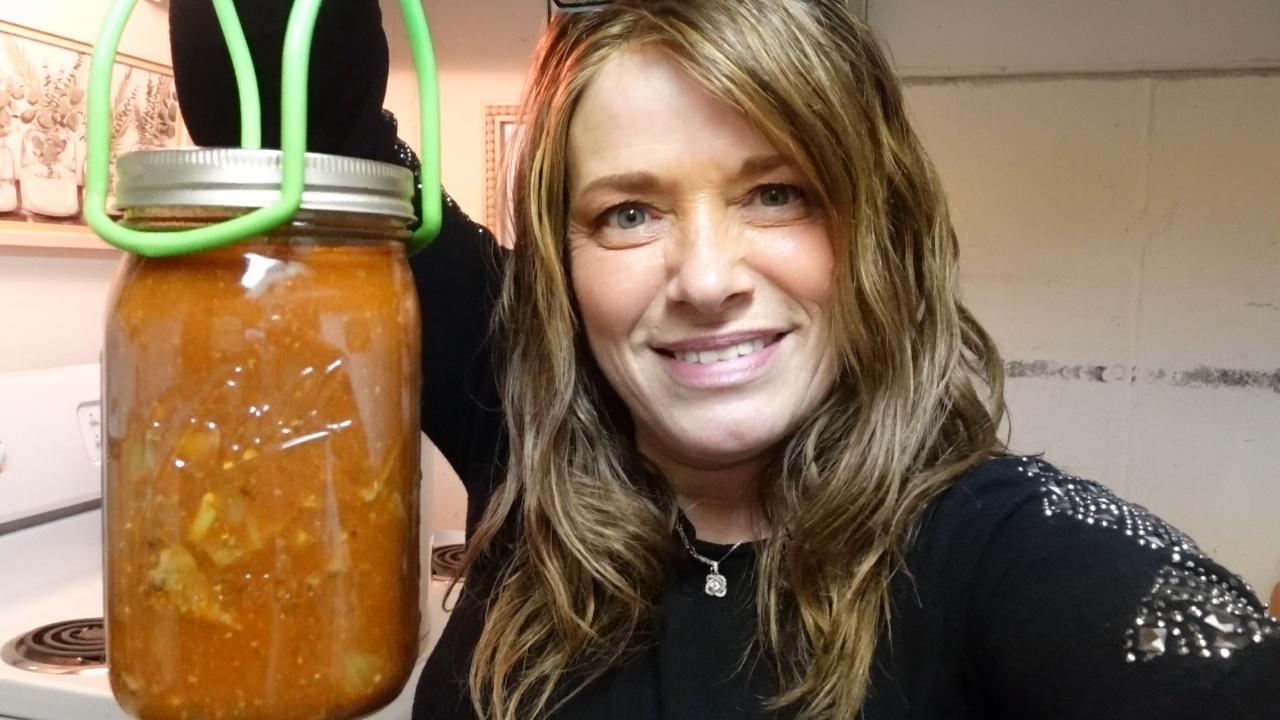

I cannot believe we are only days away from the kickoff of Canuary… the marathon month of canning!
A Little History
Canning is a technique that has been around since 1809 when a French confectioner named Nicholas Appert discovered that food sealed in jars lasts for extended period of times. He didn’t know why at that time, but it did work and was able to supply the French army with food. About 50 years later Louis Pasteur discovered the role that microbes play in safely extending the life of food in jars.

At first, canning was specifically catered to commercial use but they quickly realized that canning in our homes was a necessity and something needed to preserve our food harvests and so the gears switched and they started producing canners for home use. And still today, people preserve their food and extend its life through this process.
Today I wanted to take this opportunity to go over the basics of canning. So many people have told me they are new to canning, or they want to can but are afraid to start and hopefully after today you’ll be more confident in your canning abilities and up your pantry game considerably. You’ll start to see lots of articles and videos with people sharing their latest Canuary treasures, and there sure are some good ones out there.
When it comes to Canuary and canning, there are recommendations out there that are governed and designated as safe practices by the professionals… BUT I want to say, in my home it’s my kitchen, my rules and once I had a solid foundation and knowledge of canning, I took it further with what’s called rebel canning, meaning I use things not recommended but proven though time to be just fine. You’ll have to make your own decisions in that department. I’m not telling anyone to stray from the guidelines, I’m just sharing my way of doing it.

Let’s Talk Canuary!
There are two ways to can your food: Pressure canning and water bath canning. Pressure canning is for low acid foods such as most vegetables, tomatoes, all meats and fish and anything with a Ph above 4.6 and requires a vessel that seals, contains a specific pressure and then vents. Jars are added with a couple inches of water. Every canner is different, and you should always refer to your canner’s specific directions for the water level.
Water bathing is reserved for foods such as jellies and jams, pickles, salsas anything with a Ph below 4.6 and uses a large stockpot with a lid. You’d cover the jars completely going over them by a couple inches and rapidly boil for a specified period of time.
What Do I Need?
Now there are specific items needed to can. Depending on the method you’ll chose you’ll want either a pressure canner or a water bath. The Amish have used a water bath to do the majority of all their canning (meat, fruit, veggies etc) since the dawn of time. Nowadays people say it isn’t safe. Again, do your own research and decide what is best for you. I can both ways. You’ll also want to grab a canning kit which contains all the tools you’ll need to can using a water bath or pressure canner. And then you’ll want jars, lids and rims. These come in various sizes from 1/4 pints to full gallons. There are wide mouth jars and standard jars. The wide mouth jars are the best for meals in a jar. it’s just much easier to get the contents out whereas the standard jars are great for jams, jellies and sauces however all jars work the same way regardless of the size of their openings. Canning seems intimidating but once you do it you realize how safe, easy and beneficial it is!
If you are unsure, always resource the answer. If you don’t have any canning basics books, the Internet can provide the answers you need.
COMMON QUESTIONS
What are some of the benefits of canning meats? Well, first and foremost it’s easier than you think. It’s great for people with limited electricity or even living off the grid. You can also use cheaper and tougher cuts of meat to can because the process of pressure canning will turn that tough shoe leather into soft and succulent meat. You’ll free up your freezer space and have ready to go proteins on your shelf that don’t require thawing. They’re ready to be used straight off the shelf.
What are the types of things I keep on my pantry shelves? I keep unflavored proteins which means meats simply canned with salt and pepper if anything. These are great because they can be added to any dish to create any type of flavor profile you want… BUT I also have quite the collection of mind-blowing, flavorful dishes you wouldn’t expect to find ready to serve off you canning shelf. Be sure to check into the recipe section of this blog to find some of those flavorful, family favorites that you will want to have on hand. Your future self will thank you!
Be sure to jump over and subscribe to my YouTube channel She’s in Her Element so you won’t miss any of the delicious canning videos coming for Canuary 2025! There will be meals-in-a-jar, delicious and unique fruits as well as basic preservation techniques for beef, chicken and pork. You won’t want to miss this or the collaborating channels sharing as well!
Happy Canning!!
XOXO,
Shawn

Leave a Reply